Wednesday, April 11, 2012

"Like" Doesn't Really Mean "Like" on Facebook


Awareness expands when you click Like on a Facebook page.  Your community automatically sees everything you Like.

But, does Like lose its meaning when a company says "Like and be eligible to win something"?  [I guess you can't blame people who Like your offer if they stand to get something in return.]

As a marketer, I refrain from baiting people to Like my article, or product or website, etc.  Otherwise, how would I know how many people really Like my product or service or article, etc.?

Monday, April 9, 2012

Your Preferences Don't Matter

Only Customer Preferences Matter


Quite often a client will balk at a new marketing or business development idea that I present to them.  They resist the change with personal rationale such as "I wouldn't respond favorably to that"; or "I wouldn't meet with a representative who used that approach"; or "that'll never happen".  Those who try the idea often say, "you proved me wrong on that one".

When crafting marketing strategies or campaigns, don't think in terms of your own preferences.  Instead, understand  the needs, wants, problems and preferences of those you are serving.

Tuesday, April 3, 2012

The Al Dente` Approach to Marketing

The Al Dente` Marketing Strategy

Throw it on the wall and see what sticks

This strategy is followed by many marketers and it doesn't work very well.  Create a master plan and make sure everything you do is aligned with it.

Tuesday, March 27, 2012

Likeability Vs. Desirability

Likeability and/or Desirability

Essential Traits for Being Selected


To me, likeability reveals DNA for building a strong network and bringing out the best in others, while desirability is earned by delivering a beneficial result, or providing advantage or pleasure.

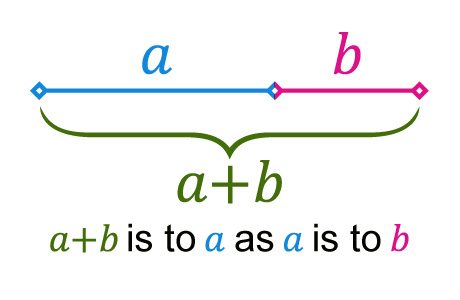
What is the golden ratio of desirability [a] to likeability [b]?  Can desirable people thrive with a low likeability factor?  How brightly must their product or service shine as the obvious choice to buyers?  Are they artificially likeable for as long as they continue to help their customers look good based on the excellent results produced by their product or service?

Can likeable people survive for a longer period of time when their products or services aren't always the obvious choice?

How would you want your [a] and [b] to be rated by your customers, prospects and channel partners?


Monday, March 12, 2012

Big Sales Opportunities Need Winning Competitive Strategies

Strengthen Relationships By Beating The Competition

Past Relationships Are Trumped by the Winning Strategy

Great experiences at your touch points during a customer's buying cycle will earn you an invitation to begin your selling cycle and a mutually advantageous business relationship.


Developing insight into the customer's products, business model, politics and culture will prepare you to adeptly navigate their power base and beat the competitor's strategy - keys to winning a large sales opportunity.

The customer power base will take notice of your strategic approach.  Many will want their sales teams to emulate your process You've already proven that your strategy is aligned with their best interests, so they'll invite you to compete for future opportunities so they can watch you in action.

According to Holden International, only 3% of B2B companies vie for large opportunities at a strategic level. Just 17% earn political support[24% compete at the feature/benefit level; 56% at the value-added level.]

If your company is "strategically competent", you will improve the probability of winning.  Strong relationships and loyalty will become byproducts.

If not, you'll need a strong change agent to address the high level of resistance by managers and sales reps who won't want to expand their comfort zones.  Motivate a "strategically favorable" emotional response by rationally engaging them to believe that status quo risk is greater than moving forward.

Watch this 7-minute video on Holden's Power Base Selling.

Wednesday, March 7, 2012

It's Not Micromanaging

Do Employees Say You're Micromanaging Them?

Ever had an employee whose inner child sets you on your heels when they say "you're micro managing me"?

Here's a basketball analogy that you can use to differentiate micromanaging from what you're really doing.


The Right Approach to Practice Optimizes Chances to Win
The best coach/manager leadership persona has vision to structure the team and design a style of play that integrates cohesive rhythm on offense with intensive continuity on defense by players who execute as a seamless unit through teamwork and communication.

The coaching staff avoids ambiguity by breaking down each play in order to transform goals into individual responsibilities and specific steps.  Multidimensional, skilled players fit this style of play each season.  They have strong fundamentals [shoot, pass, dribble, create floor balance, move the ball, move without the ball, exploit mismatches, know when to dish or shoot].

Professionals welcome the opportunity to participate in hours of film sessions listening to coaches and team mates candidly criticize their game and identify opportunities to improve their game.  Imagine if they viewed this as micromanaging?

Friday, February 17, 2012

Customers Not Responsible for Your Quota

 
"What can you do to close this sale before the end of the month?

We need this in order to make our quota."

Don't introduce incentives or pressure the customer to sign because it's in your best interest.

Bad things will result if you venture outside the boundaries of making sure that all commitments are up to date [yours, your team's and the buyer's team]. Also logical next steps to manage the opportunity to closure must be mapped out.

By interrupting the natural flow, you will reduce the profitability of the sale, mar the customer relationship and create inefficiencies for your sales reps who need to be working on other opportunities and relationships.

Leverage a sales opportunity's sales cycle. Strengthen the relationship and create an above the funnel entry for the next opportunity.  That's the essence of smart account management.